Before the First Sip: A Tea-Round Reset for Overloaded Days
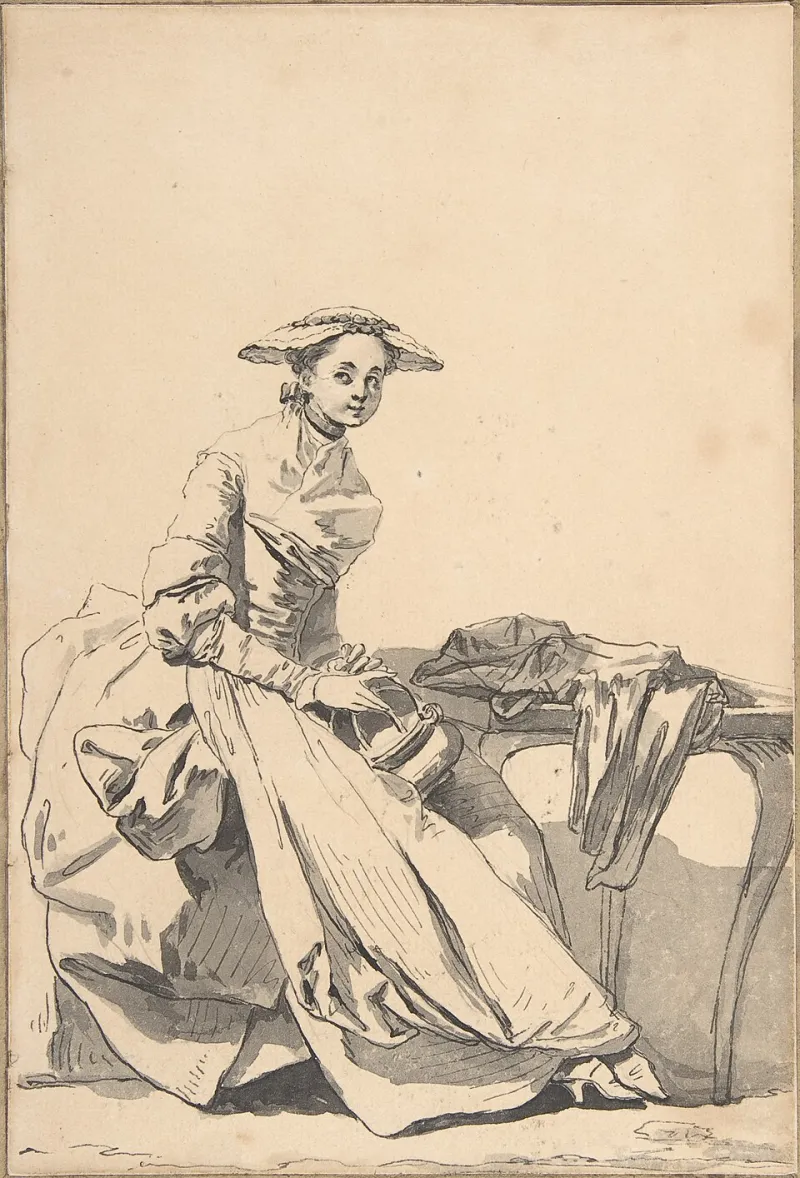
Photo: Jean-Baptiste Greuze, CC0, via Wikimedia Commons
Making a cup of tea is one of the few genuinely universal pauses in British life. The kettle takes its time. The mug warms. Someone asks if you want a brew, and for a moment the day rearranges itself around a small, ordinary kindness. That is already a mind-body practice — we just rarely notice it.
Embodiment is not a special state you have to achieve on a cushion. It is the felt sense of being in your body while life happens. And life happens a lot around the kettle.
The pause hiding in plain sight
Most of us treat the tea round as admin: a task between tasks. But it contains the ingredients mindfulness teachers often ask people to manufacture — a repeated cue, a sensory shift, a short gap before the next thing. You do not need to add anything to your day. You need to notice what is already there.
There is a reasonable body of research on micro-breaks suggesting that brief pauses can help with fatigue and attention, though the effects vary depending on the task, the person and how the break is used. Studies on mindfulness often focus on longer or more formal practice, so it is worth being modest about what a two-minute tea pause can do. It is not a treatment for anxiety, burnout or low mood. It is simply a small, reliable moment of coming back to your senses.
That is enough. The point is not to optimise the kettle. The point is to let the kettle interrupt you.
Start with the water, not the phone
When you fill the kettle, try leaving your phone on the counter — face down, or better still, in another room. This is not a moral test. It is just an experiment in giving your attention one thing instead of six.
Stand with both feet on the floor. Notice the weight of the kettle as it fills. Listen to the water hitting the metal. When the switch clicks, let that sound be a signal: for the next two minutes, I am not solving anything.
You might soften your jaw. You might let your shoulders drop a centimetre. You might take three natural breaths, without making a performance of it. Nobody in the office kitchen needs to know you are doing anything at all.
The round is a social anchor too
In a shared kitchen, the tea round is a small act of social contact. Asking what someone wants, waiting for the kettle together, passing a mug — these are low-stakes moments of connection that can be surprisingly grounding. If you are making for others, let the carrying be part of the practice. Feel the warmth through the mug. Notice the weight. Walk a little more slowly than you normally would.
If you work from home, the round can still be social in a quieter way. Send the message. Make the brew. Sit somewhere other than your desk for the first few sips. The ritual does not need an audience.
A two-minute sequence for the ordinary kettle
- Fill and wait. Feel your feet. Unclench your hands. Let the kettle do its job.
- Pour and watch. Notice the steam, the sound, the colour changing in the mug. This is not a meditation test; it is just looking.
- Hold the mug. Feel the warmth in your palms. Notice whether your grip is tighter than it needs to be.
- Take the first sip. Pause before you go back to the screen, the conversation or the next task. One breath is enough.
- Return with one sentence. Before you re-enter the day, silently name what you are going back to. Then go.
When tea is not your thing
Not everyone drinks tea, and caffeine late in the day is not helpful for everyone. The practice is not really about tea. It is about a repeated cue that already exists in your day: filling a water bottle, washing a mug, waiting for the toaster, standing at the kitchen window. Any of these can become a two-minute arrival.
What matters is repetition and simplicity. A cue you will actually meet again tomorrow is worth more than a perfect ritual you do once.
Keep it ordinary
The great British tea round does not need to become another wellness performance. You do not need a special mug, an app or a journal. You do not need to announce that you are being mindful. You just need to let the pause be a pause.
If you forget, no harm done. The kettle will boil again. And the next round is always a chance to come back to yourself — one warm mug, one ordinary breath, one small sip at a time.